
The 18% Livery Spike: Is Your Verbal Agreement a Ticking Time Bomb?
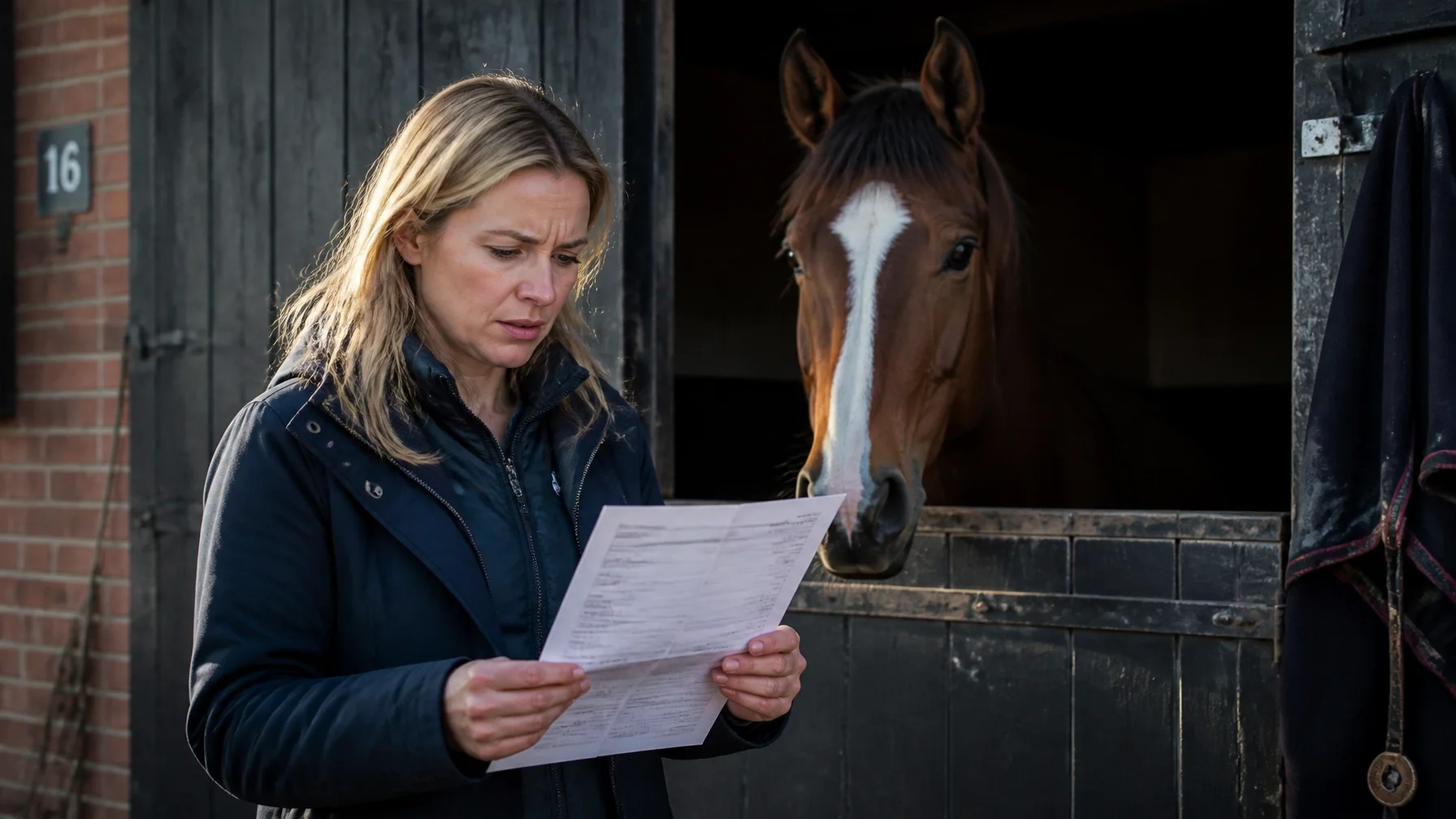
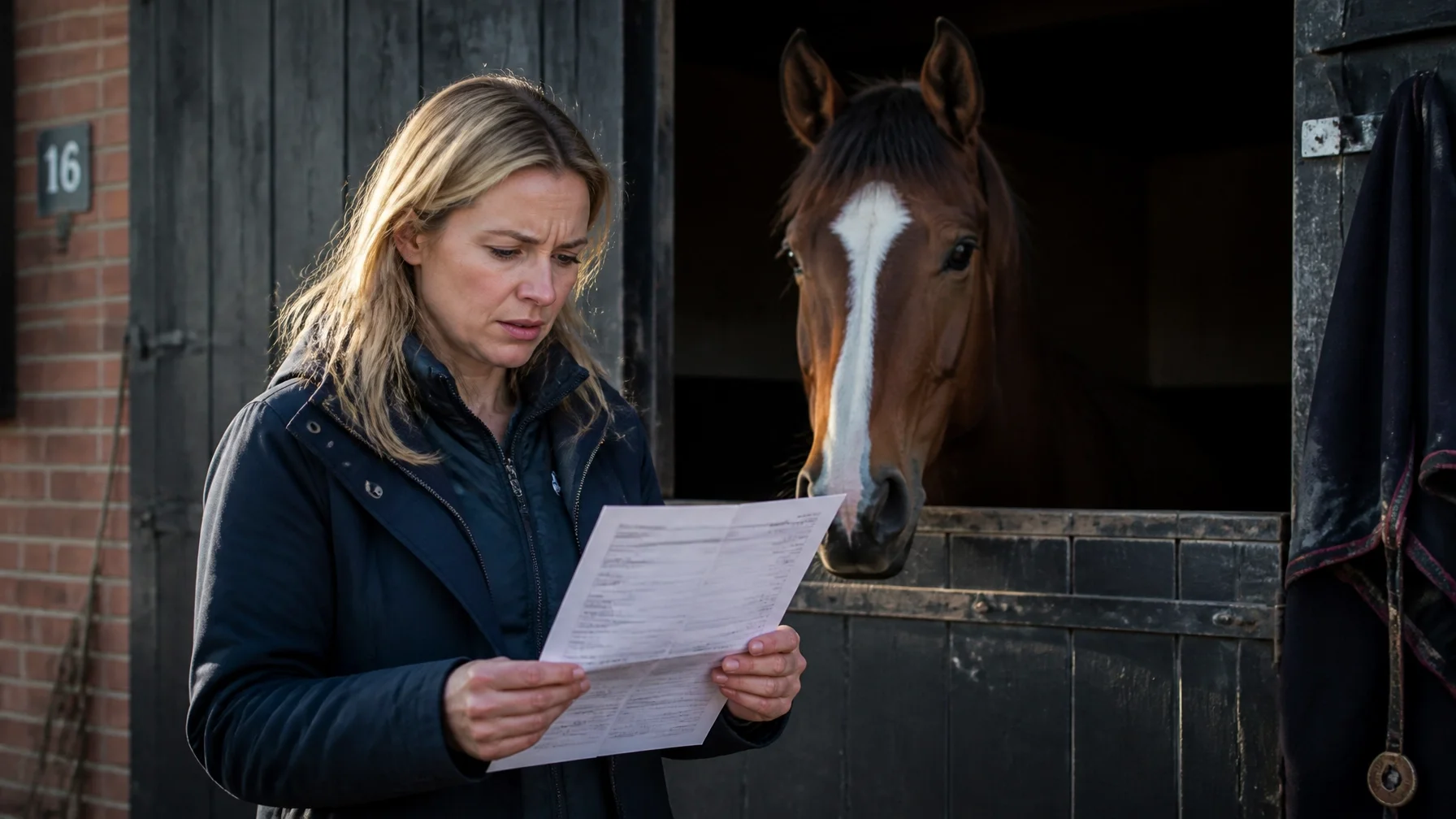
Have you felt the atmosphere at your yard change lately? Maybe the usual morning chatter has been replaced by hushed conversations about the price of hay, or perhaps you’ve received a sudden text message from your yard manager that made your heart sink. If things feel a bit more "legal" and a lot less "leisurely" right now, you aren’t alone.
Recent data from the County Courts has revealed a startling trend: legal disputes within livery yards have spiked by 18% over the last year. From unpaid bills to abrupt evictions, the equestrian world is currently navigating a "perfect storm" of rising costs and outdated agreements.
At The Horse Lawyer®, we’re seeing more and more clients: both horse owners and yard managers: caught in the crossfire. The common thread? A reliance on "the way we’ve always done it" rather than clear, written protection.
So, why is this happening now, and more importantly, is your current arrangement a ticking time bomb?
The Perfect Storm: Feed, Staff, and Fees
It’s no secret that the cost of living has hit our four-legged friends just as hard as it’s hit us. If you’re a yard owner, you’re likely watching the price of hay, bedding, and hard feed climb month after month. Then there’s the staffing crisis. Finding and keeping good grooms means paying competitive wages, which have risen significantly to keep pace with inflation and minimum wage requirements.
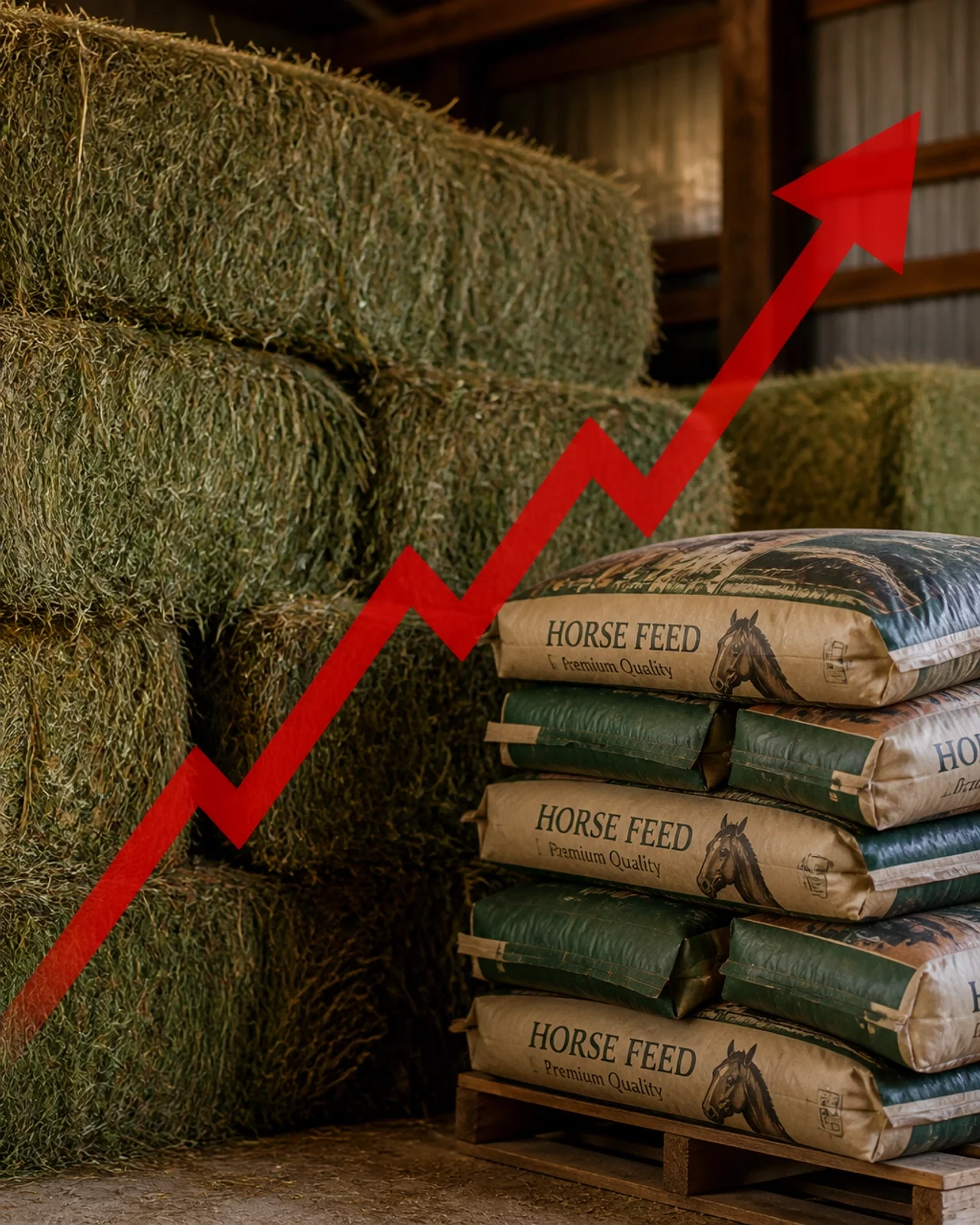
When costs go up by 20% or 30% for the yard, that money has to come from somewhere. This has led to many yard owners implementing sudden, steep price hikes. We’ve heard of cases where owners were told their livery was increasing by 40% with only two weeks' notice.
For the horse owner, this is a massive shock to the system. For the yard owner, it’s a matter of survival. Without a written contract that outlines exactly how and when prices can be increased, this friction quickly turns into a legal battle.
Why Handshakes are Hurting You (The Verbal Trap)
We get it: the horse world is built on trust. Many of the best livery arrangements started with a simple chat over a stable door and a handshake. It feels more "equestrian" and less "corporate," doesn't it?
But here’s the reality: a verbal agreement is only as good as the memory of the person you’re arguing with.
When money gets tight, "trust" is often the first thing to go out the window. Without a written document, how do you prove what was actually agreed upon?
Did that "Full Livery" price include rug changes?
Was the hay supposed to be ad-lib or restricted?
Who is responsible for the fence your horse just kicked through?
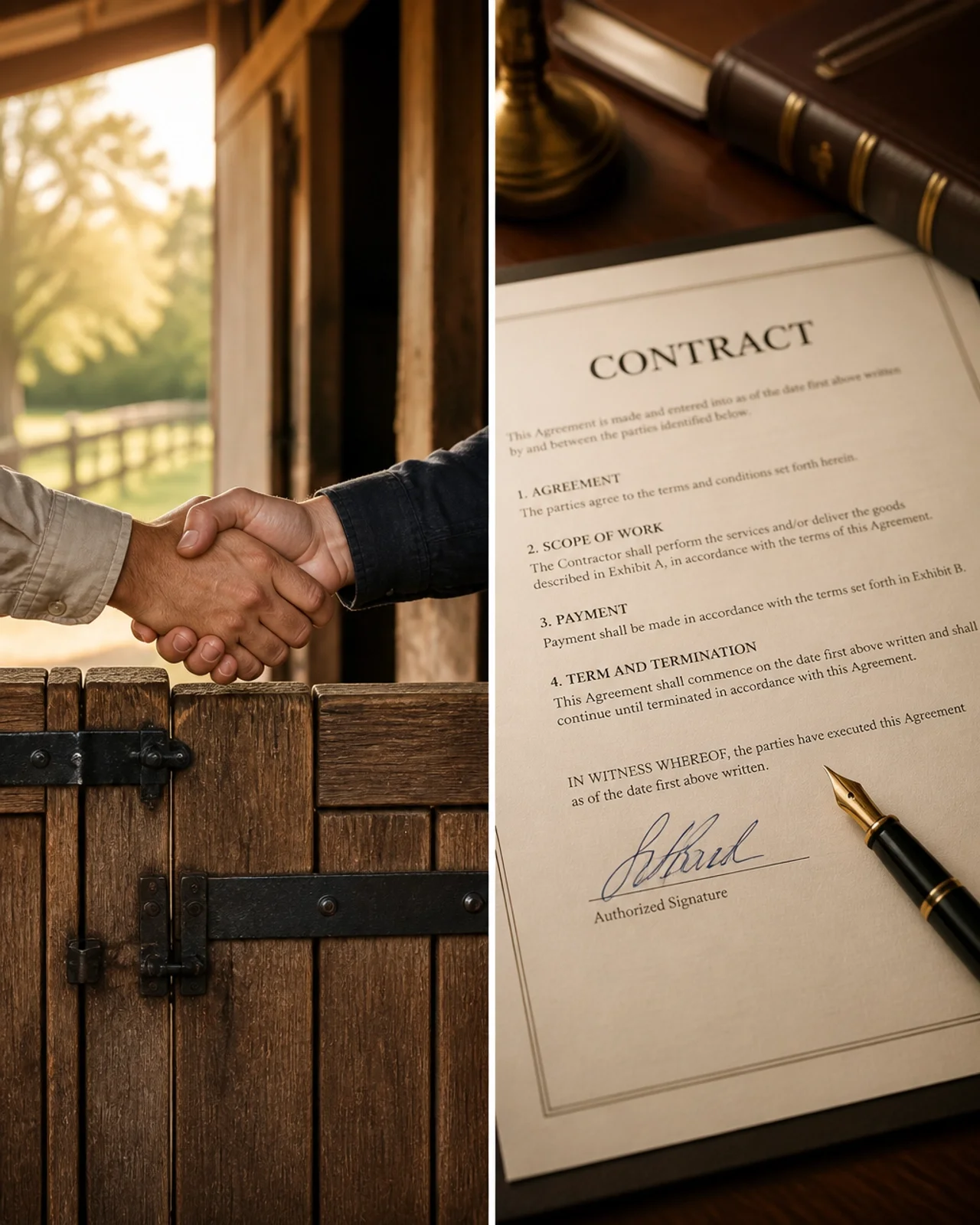
When these disputes hit the County Court: which they are doing at a record rate: judges have to try and piece together what happened from texts, emails, and "he said, she said" oral evidence. It’s messy, it’s expensive, and it rarely leaves anyone happy.
If you are operating on a verbal agreement, you are essentially driving without a seatbelt. It’s fine until you hit a bump: and with the current 18% spike in disputes, that bump is more likely than ever.
The Notice Period Problem
Perhaps the most common trigger for the current legal spike is the notice period.
In an ideal world, a horse owner gives a month’s notice, pays their final bill, and moves on to a new yard with no hard feelings. But when prices rise abruptly, many owners feel they should be able to leave immediately without paying for a month they didn't agree to at the new price. Conversely, yard owners who have empty stables need that notice period income to cover their fixed overheads.
Without a written contract specifying a 30-day notice period, things get ugly fast.
The "Midnight Flit": We see owners who pack up their horse and trailer in the middle of the night to avoid paying a notice period they don't believe they owe.
The "Locked Gate": We see yard owners who refuse to let a horse leave until a "debt" is paid: which can lead to serious legal complications regarding the "lien" on a horse.
Both of these scenarios could be avoided with a simple, clear clause in a preventative contract. Knowing exactly where you stand from day one isn't "being difficult": it's being professional.
What Happens in Court? (The 50-Week Wait)
If you think "I'll just take them to court and settle it," you might want to pack a very large lunch.
The same data that showed the 18% spike also highlighted a sobering fact: the average time for a small claim to reach a hearing is now nearly 50 weeks. That is almost a full year of stress, legal fees, and awkward encounters at shows or the local tack shop.
For a dispute over £1,500 of livery fees, spending a year in legal limbo is rarely worth it. This is why mediation and preventative advice are so much more valuable than a court date.
At The Horse Lawyer®, we focus on helping you avoid the courtroom altogether. Whether that’s by drafting a contract that leaves no room for interpretation or stepping in to mediate a dispute before it escalates, our goal is to keep you in the saddle and out of the witness box.
How to Protect Your Yard or Your Horse
Whether you’re the one providing the care or the one paying for it, there are steps you can take today to protect yourself from becoming part of next year's statistics.
For Yard Owners:
Audit Your Agreements: If you have 20 horses and 20 different "understandings" of what the service includes, you are at risk. Standardize your terms.
Formalize Price Hikes: Give reasonable notice (usually at least 30 days) and put it in writing. Explain why costs are rising: people are generally more understanding when they see the hay bill has doubled.
Get Professional Help: Don't just download a generic template from the internet. Every yard is different. A bespoke contract from a specialist like The Horse Lawyer® ensures your specific services and risks are covered.
For Horse Owners:
Ask for the Paperwork: If a yard doesn't offer a contract, ask for one. If they won't provide it, send a summary email of what you’ve agreed upon so there’s a digital paper trail.
Check the "Extra" Costs: Make sure you know what happens if the price of feed goes up. Is there a cap? How much notice will you get?
Know Your Notice Period: Don't assume it's a month. It might be a week, or it might be none. Get it in writing before you move your horse in.

We’re Here to Help
The equestrian world is small, and reputations are everything. A legal battle doesn't just cost money; it costs you your peace of mind and your standing in the community.
At The Horse Lawyer®, we speak your language. We understand the difference between "full livery" and "working livery," and we know exactly why a sudden 18% spike in disputes is happening. Whether you need a robust new contract to protect your business or you’re currently in the middle of a dispute that feels like it’s spiraling out of control, we are your guides at every step of the way.
Don't wait for the ticking time bomb to go off. Let’s get your agreements sorted so you can get back to what really matters: enjoying your time with our equine friends.
Ready to secure your stable's future? Contact us at The Horse Lawyer® today for expert advice tailored specifically to the equestrian industry.
**Disclaimer: This content is provided for general informational and educational purposes only and does not constitute legal advice. No solicitor-client relationship is formed by your use of this information. While I strive for accuracy, the law changes frequently; you should always consult a qualified legal professional regarding your specific circumstances. The Horse Lawyer® and its contributors accept no liability for actions taken based on this content.
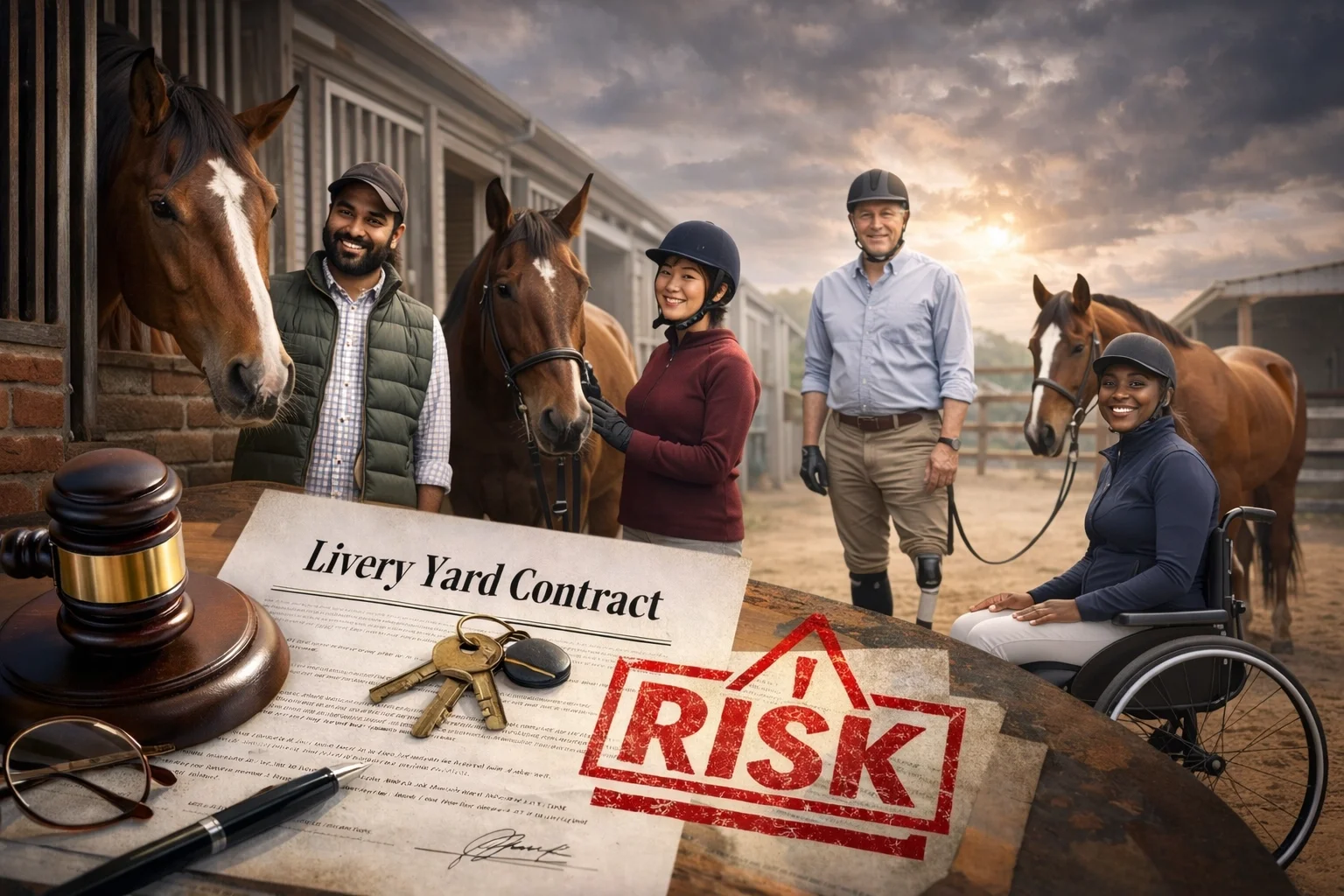
Is Your Livery Yard Contract Protecting You? Here's the Truth
You've found the perfect livery yard. The facilities are excellent, the location is convenient, and the atmosphere feels right. But here's a question that might keep you awake at night, does your livery yard contract actually protect you when things go wrong?
Whether you're a yard owner offering livery services or a horse owner seeking the perfect home for your equine companion, the contract between you isn't just a formality, it's your safety net. And if recent legal trends are anything to go by, that safety net needs to be stronger than ever.
The Uncomfortable Reality About Livery Contracts
Let's start with the truth, many livery arrangements are operating on dangerously thin ice. Legal disputes over livery arrangements have surged significantly, with equine law specialists reporting a substantial increase in cases reaching county court. The culprit? Absent or inadequate contracts that fail to address basic yet crucial terms.
Think about it, without a solid livery yard contract, how do you prove what services were actually agreed upon? What happens when fees need to increase? Who's responsible when a horse requires emergency veterinary care? These aren't hypothetical scenarios; they're the reality of disputes happening right now across the UK.
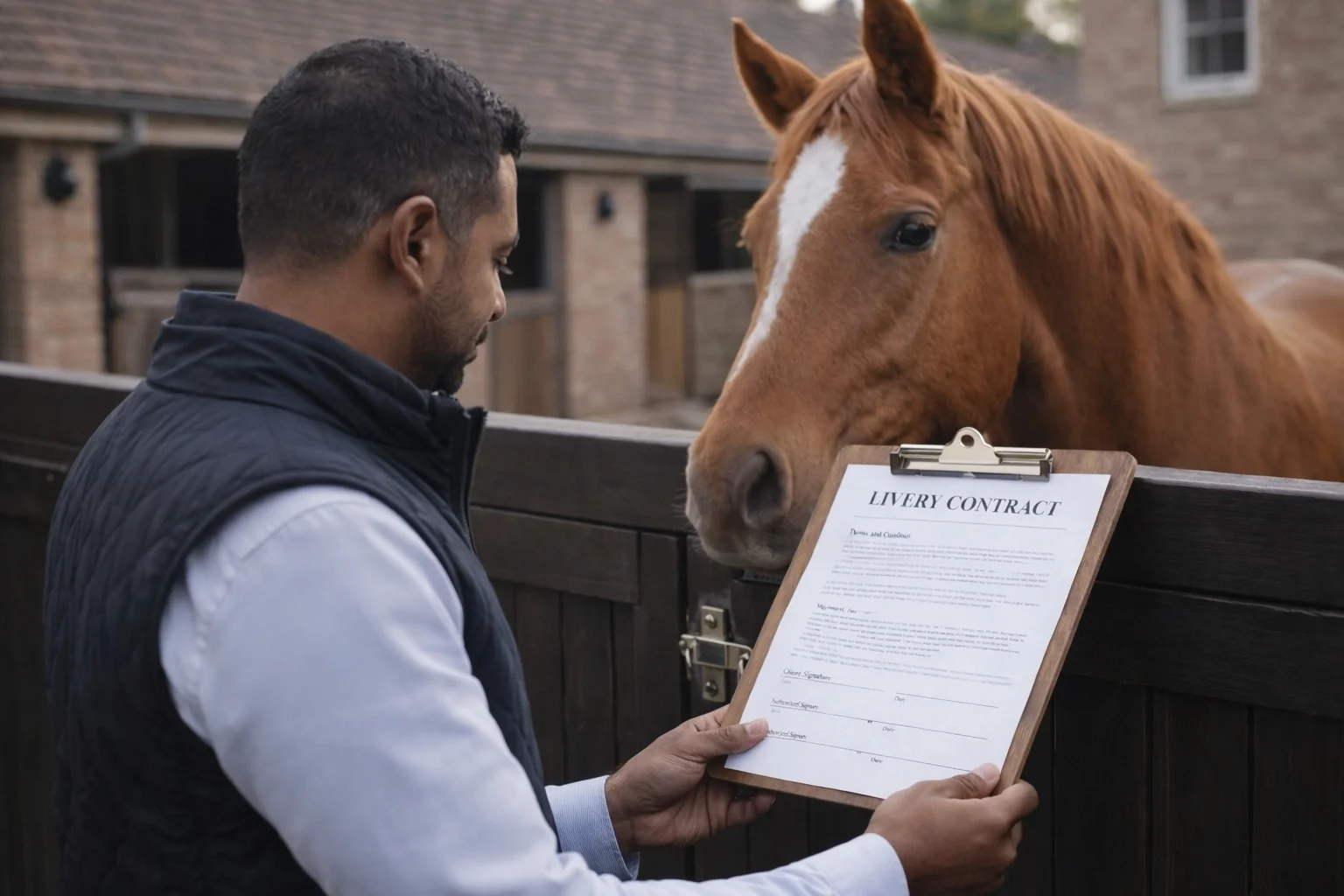
What's Really at Stake?
The stakes in livery agreements are higher than many people realise. We're not just talking about inconvenience or awkward conversations, we're talking about financial loss, legal liability, and the welfare of the horses at the centre of it all.
For yard owners, an inadequate contract means you could face difficulties recovering unpaid fees, struggle to enforce yard rules, or find yourself liable for situations that should never have been your responsibility. For horse owners, a weak contract leaves you vulnerable to unexpected fee increases, unclear service standards, or disputes over who's responsible when something goes wrong with your horse's care.
And here's the kicker, many livery yards operate without any licensing requirements in the UK. While this provides flexibility for the industry, it also means there's no regulatory oversight ensuring that contracts are fit for purpose. The responsibility falls entirely on the parties involved to get it right.
The Common Pitfalls That Leave You Exposed
So where do most livery yard contracts fall short? Let's look at the gaps that frequently land people in hot water:
Vague Service Descriptions
"Full livery" means different things to different people. Without specific detail about what's included, feeding schedules, turnout arrangements, bedding type, exercise provision, you're setting yourself up for disappointment and disputes. One person's full livery might be another's part livery with extras.
Absent Notice Periods
What happens when either party wants to end the arrangement? Without clear notice periods written into your contract, you could face a horse owner departing without warning (leaving you with lost income) or a yard owner terminating your livery with no time to find alternative accommodation.
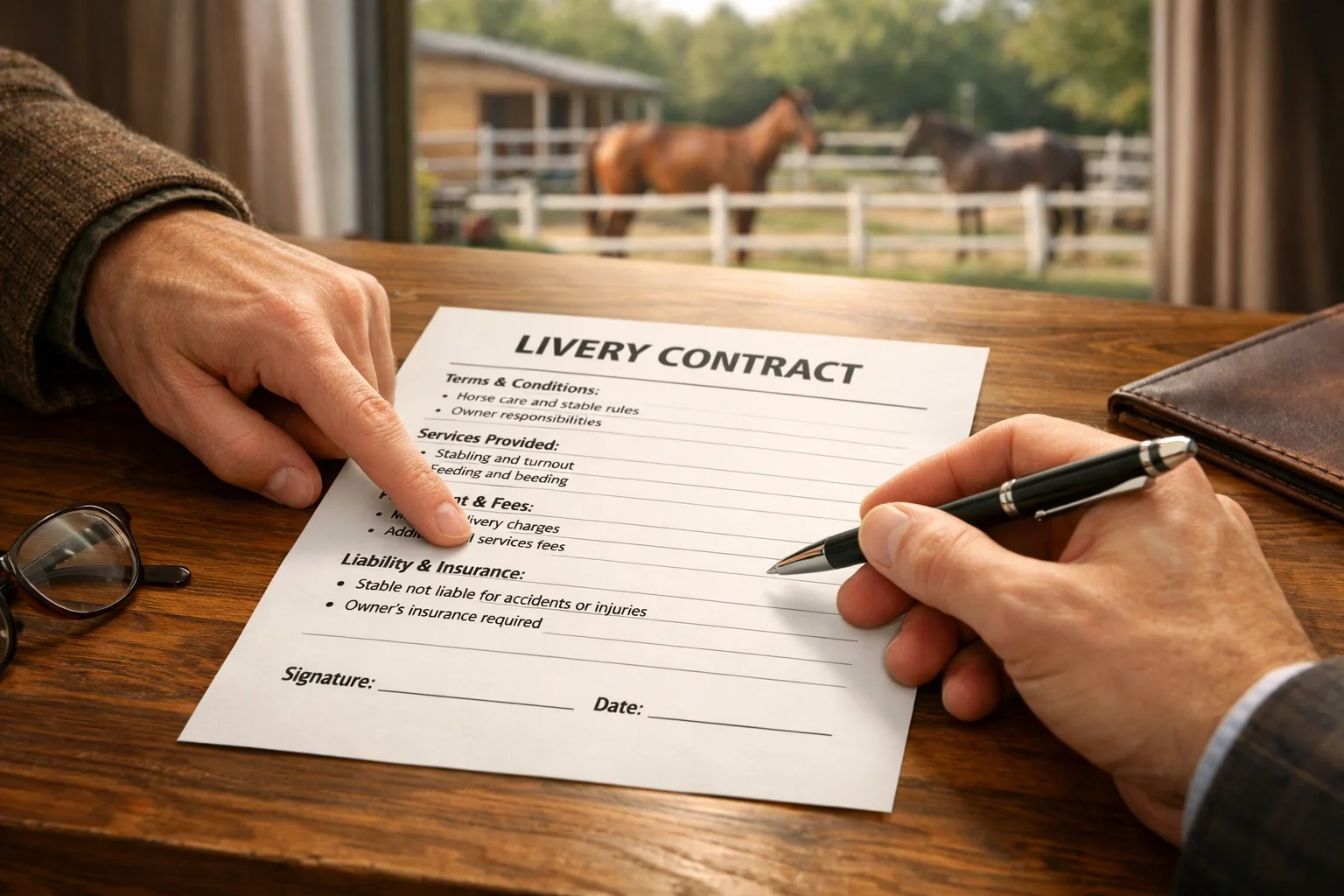
No Fee Increase Mechanism
Yard costs rise, it's an unfortunate fact of life. But if your contract doesn't specify how and when fees can increase, you're opening the door to disputes. Horse owners need predictability; yard owners need the ability to cover rising costs. A proper contract balances both needs.
Unclear Liability Provisions
When a horse is injured, property is damaged, or someone gets hurt, who's responsible? Vague language around liability and insurance requirements is one of the fastest routes to legal action. You need crystal-clear terms about who bears liability in different scenarios.
Missing Payment Terms
It sounds basic, but you'd be surprised how many contracts fail to clearly state payment due dates, late payment consequences, or what happens with outstanding fees. For yard owners, this gap can mean struggling to recover money you're owed.
What a Protective Contract Actually Looks Like
A comprehensive livery yard contract should work as a protective shield for both parties, not a weapon for one against the other. Here's what truly protective agreements include:
Detailed Scope of Services
Your contract should read like a service specification. What exactly is provided? How many times daily will horses be checked? What does "mucking out" entail? Is field maintenance included? The more specific, the better. This clarity protects everyone by ensuring you're all working from the same playbook.
Robust Payment Structure
Clear payment terms, due dates, and consequences for late payment protect yard owners while giving horse owners predictability. Many effective contracts include lien clauses, allowing yard owners to retain a horse and equipment until outstanding fees are settled, a powerful protection when payment disputes arise.

Comprehensive Insurance Requirements
Both parties should maintain appropriate insurance, and your contract should specify exactly what's required. Public liability insurance for yard owners, third-party liability for horse owners, these aren't optional extras in today's litigious environment. Your contract should also clarify who arranges and pays for veterinary care insurance.
Enforceable Yard Rules
From visitor policies to turnout schedules, yard rules keep everyone safe and operations running smoothly. But they're only enforceable if they're referenced in your contract. Consider attaching yard rules as an appendix that forms part of the binding agreement.
Clear Termination Procedures
Notice periods, conditions for immediate termination, and procedures for handover should be explicitly stated. This protects yard owners from sudden income loss and horse owners from being left in the lurch.
Liability and Indemnity Clauses
Who's liable when things go wrong? Your contract should address injury to people, injury to horses, property damage, and loss. While you can't contract out of all liability (particularly for negligence), clear clauses significantly reduce exposure and disputes.
For Yard Owners: Your Contract Is Your Business Protection
If you're running a livery yard, your contract isn't just a nice-to-have: it's your first line of business protection. Think of it as your insurance policy before insurance even kicks in.
A professionally drafted livery yard contract helps you maintain standards, enforce policies, and recover costs without lengthy disputes. It allows you to run your business professionally while protecting you from the small minority of clients who might take advantage of loose arrangements.
But here's something many yard owners miss: your contract also protects your reputation. When expectations are clear from day one, satisfaction rates soar and disputes plummet. That's good for your business and good for the horses in your care.
For Horse Owners: Know What You're Actually Agreeing To
As a horse owner, you're entrusting your beloved companion to someone else's care, possibly the most significant decision you'll make outside of purchasing the horse itself. Your livery yard contract is your guarantee of what that care will involve.
Before signing anything, read every clause carefully. If something's unclear, ask questions. If services seem vaguely described, request specifics. A good yard owner will welcome your thoroughness. It shows you care about your horse and take your commitments seriously.

And here's a crucial point: don't be swayed by informal arrangements or verbal promises that aren't in the written contract. In the event of a dispute, what matters is what's written down and signed. If it's not in the contract, it's not enforceable.
Why Professional Review Matters
You might be wondering: "Do I really need an equine lawyer to review my livery yard contract?" The honest answer is that even slight wording changes can significantly affect enforceability.
Equine law is a specialist field, and livery contracts sit at the intersection of contract law, property law, animal welfare legislation, and liability law. A lawyer specialising in equine law understands the nuances that make the difference between a contract that protects you and one that's "completely useless," as legal specialists have described some they've encountered.
Think of it this way: you'd engage a specialist to treat your horse's lameness rather than attempting it yourself. The same logic applies to legal protection. The cost of professional review is minimal compared to the cost of disputes, court proceedings, or unrecoverable losses.
The Bottom Line
Your livery yard contract should be a source of clarity and security, not confusion and conflict. Whether you're a yard owner building your business or a horse owner seeking the best care for your horse, investing time and resources into a comprehensive, professionally reviewed contract pays dividends.
The equestrian community thrives on trust and shared passion for horses, but even the best relationships benefit from clear agreements. A solid contract doesn't signify distrust, it demonstrates professionalism and respect for everyone involved.
If you're operating under a vague contract, no contract, or one you haven't reviewed in years, now's the time to address it. The increase in livery disputes isn't slowing down, and protection starts with the document you sign.
Need guidance on reviewing a livery yard contract so that it actually protects you? I specialise in equine law and understand the unique challenges of livery arrangements. Get in touch to discuss how I can help secure your interests ( before disputes arise, not after.)
**Disclaimer: This content is provided for general informational and educational purposes only and does not constitute legal advice. No solicitor-client relationship is formed by your use of this information. While I strive for accuracy, the law changes frequently; you should always consult a qualified legal professional regarding your specific circumstances. The Horse Lawyer® and its contributors accept no liability for actions taken based on this content.