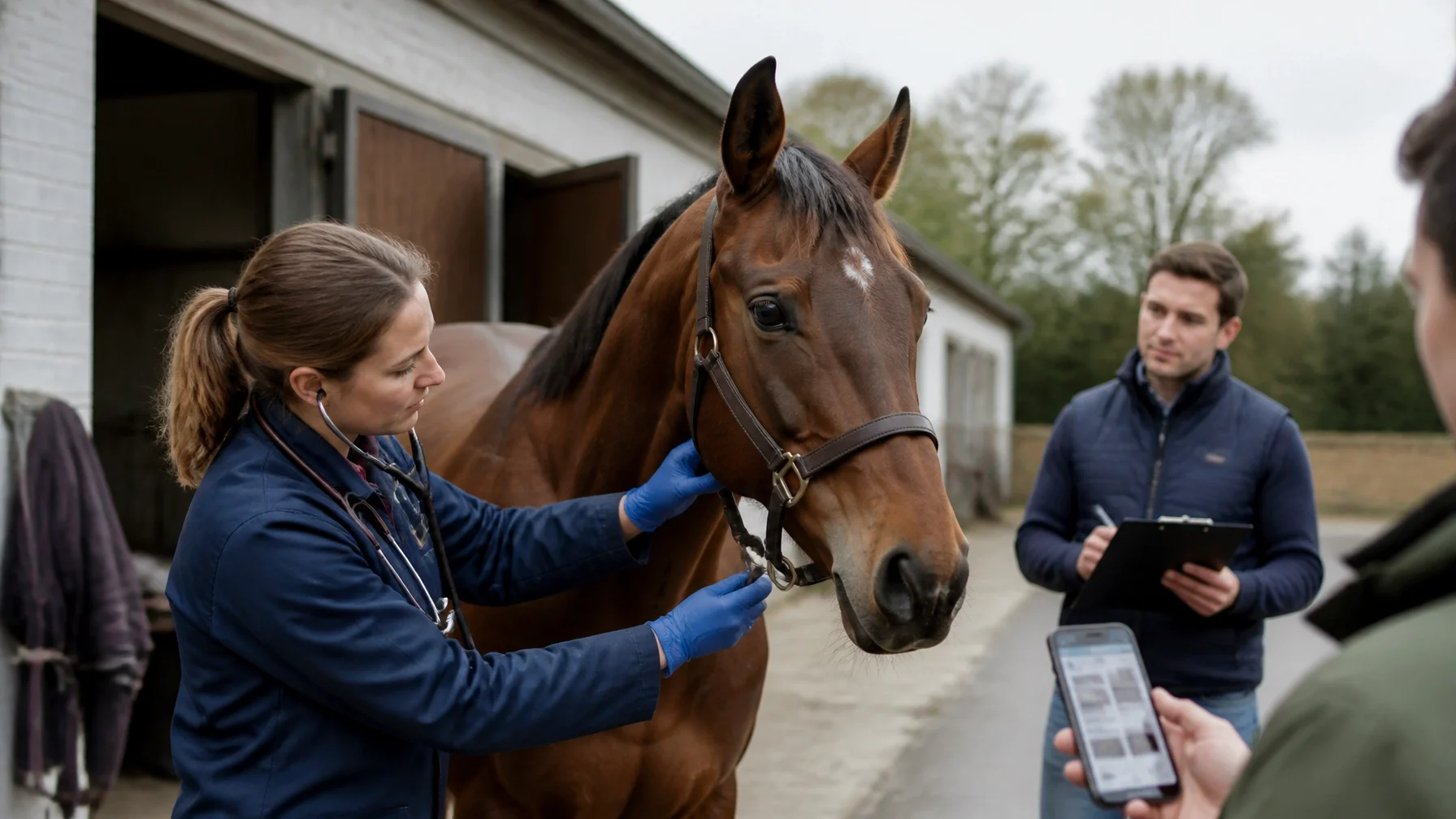
Could a horse advertised as a “teenager’s dream” turn out to be unsafe for a child to ride? What would you do if you discovered serious health problems only after the purchase? And would you have enough evidence to challenge the seller?
A recent BBC Wales investigation has highlighted the risks of buying horses through social media, particularly where advertising, health information and the seller’s status aren’t properly checked.
The report, published on 27 August 2026, describes allegations made by five women who said they were mis-sold horses by the same seller. The horses were reportedly unsafe to ride or affected by serious, life-limiting conditions.
One buyer was awarded £11,000 in damages and expenses after buying a horse advertised as a sound five-year-old. The story is a serious reminder that a Facebook listing isn’t a substitute for proper due diligence, a thorough veterinary examination or a carefully drafted horse sale contract.
What happened in the BBC investigation?
One buyer, referred to as Fiona, bought a 14-year-old horse through a Sport Horses Facebook group. The horse had been presented as a “teenager’s dream”.
Around six weeks after the purchase, the horse bucked and bolted during a riding lesson. Fiona’s 13-year-old daughter was partially on the horse when it kicked her in the head. She was taken to hospital with concussion and spent approximately two weeks recovering at home.
Fiona later contacted the horse’s previous owner and says she learned that the horse had not been ridden for many years. She told the BBC that this information had not been disclosed before the sale.
The investigation also featured the experience of Kayleigh, who paid £6,250 for a horse called Otto. He was advertised as a “perfectly sound five-year-old” and a suitable event horse. Within a week, Otto was lame and struggling to walk.
After examining the horse’s history, Sweet discovered that he had previously been diagnosed with chronic arthritis. A veterinary examination supported that diagnosis. The BBC reported that a court ordered the seller to pay Sweet £11,000 in damages and expenses. The report also stated that payment had been due in October 2025.
Another buyer, Hayley Vaughan, said she bought Bonnie for her teenage daughter in 2019. After the horse was ridden once, veterinary investigations identified a serious back injury and painful spinal condition. Vaughan said the vet advised that Bonnie should never be ridden.
The BBC reported that none of the five women had commissioned a pre-purchase veterinary examination before buying.
The seller was contacted for comment but did not respond to the BBC’s questions. Meta also told the BBC that it had removed the relevant Facebook content after being contacted, on the basis that it breached the platform’s policies.
These accounts are allegations reported by the BBC. They shouldn’t be treated as proof that every online horse seller is operating improperly. However, they do show why you need to protect yourself before you pay a deposit or bring a horse home.
Why buying through Facebook can be risky
Online horse adverts can look professional and convincing. You may see polished photographs, confident descriptions, glowing comments and claims about a horse’s temperament, competition record or suitability.
But how much of that information can you verify?
A social media page may not tell you whether the seller is a private owner, a dealer or someone regularly buying and reselling horses. That distinction can be important legally.
You may also have difficulty establishing:
How long the seller has owned the horse
Whether the horse has been regularly ridden
Whether previous owners reported behavioural or health problems
Whether the horse is being sold for the purpose you need
Whether any warranty is genuine and enforceable
Whether the passport reflects the complete history
Whether the photographs and description relate to the horse being sold
World Horse Welfare told the BBC that, unlike the position for some other animals, there are no regulatory or voluntary industry standards governing horse trading. The organisation urged buyers and sellers to carry out proper due diligence.
That means you need to do more than rely on trust or a reassuring conversation.
What legal protection do you have?
Private horse sales: the importance of caveat emptor
If you buy from a genuine private seller, the principle of caveat emptor : buyer beware : will generally apply.
This doesn’t mean a private seller can lie without consequences. If a seller makes a false statement about the horse’s soundness, temperament, age, training or suitability, you may have a claim for misrepresentation. Depending on the circumstances, you may also have rights under the contract formed by the sale.
However, private sales don’t usually provide the same statutory protection as buying from a professional dealer. You may therefore face a more difficult legal process if the horse turns out not to be suitable.
This is why a clear horse purchase agreement UK buyers can understand is so valuable. A written agreement can record precisely what was said and agreed, rather than leaving you to rely on memory or informal messages.
Buying from a trader or dealer
If the seller is acting as a business or trader, the Consumer Rights Act 2015 may apply. The question isn’t simply what the seller calls themselves. Their pattern of activity and the way they operate may be relevant.
For example, indicators of trading activity could include:
Regularly buying and selling horses
Advertising multiple horses
Operating through a branded Facebook group or business page
Offering warranties
Describing horses as safe sports horses or suitable for particular riders
Presenting the sale as part of a commercial operation
Where the Act applies, the horse should generally be of satisfactory quality, fit for a purpose made known to the seller and as described. A horse sold as a safe riding horse, for example, should match the description and the specific purpose discussed with the buyer.
The legal position can be fact-sensitive, particularly because horses are living animals and their condition can change. A veterinary report, the wording of the advert and the communications between the parties may all be important.
If you’re unsure whether you’re buying from a trader or private seller, take advice before you commit to the purchase.
Your seven-step protection checklist
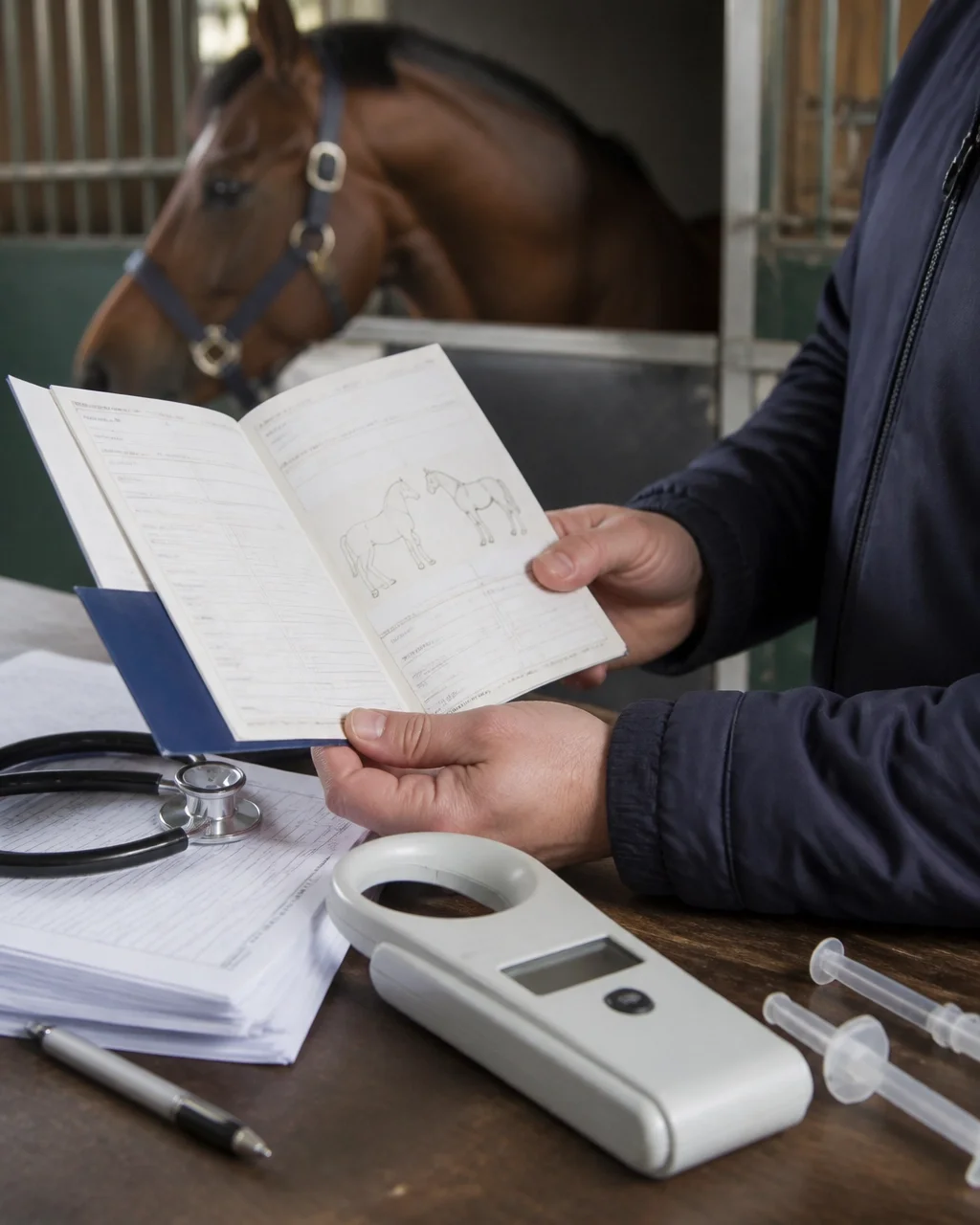
1. View the horse in person
Never rely solely on photographs or videos. Visit the horse where it is kept and observe how it behaves before, during and after handling.
If possible, see it caught, groomed, tacked up and loaded. You should also ask questions about its daily routine, previous work and reason for sale.
Would you be comfortable with the seller refusing to let you see the horse being handled? If not, don’t ignore that concern.
2. Arrange your own independent vetting
Always consider commissioning a pre-purchase examination by your own independent equine vet.
The vet should be chosen by you, not the seller. A vetting isn’t a guarantee that the horse will never become ill or behave unexpectedly, but it can identify existing concerns and help you make an informed decision.
If the seller discourages a vetting, says one has already been done or insists you use their vet, treat that as a warning sign.
3. Ride and handle the horse yourself where appropriate
If the horse is being sold as suitable for you or your child, you should see it ridden in circumstances relevant to the intended use.
Where appropriate, you should also ride it yourself. For a child or less experienced rider, arrange for a knowledgeable adult or professional to assist.
Don’t be pressured into accepting a short demonstration if it doesn’t answer your questions about the horse’s suitability.
4. Check the passport and trace the history
The horse’s passport should be provided and checked carefully. Compare the passport details with the horse and ask questions about ownership, vaccinations, medical treatment and any recorded exclusions from the food chain.
A passport may not contain every detail of a horse’s medical history, so it shouldn’t be treated as a complete substitute for veterinary checks and conversations with previous owners.
Ask for supporting records where relevant, including vaccination history, competition records, imaging reports and details of previous injuries.
5. Use a written horse sale contract
A properly prepared buying a horse contract or horse sale contract should cover matters such as:
The horse’s identification and description
The agreed price and payment arrangements
The horse’s known medical and behavioural history
The intended use
Any warranties or specific promises
Known vices, limitations or exclusions
The seller’s status as a private individual or trader
What happens if the horse isn’t as described
Responsibility for transport and insurance
Dispute resolution arrangements
A contract won’t make a dishonest statement true, but it can make the agreement clearer and preserve important evidence.

6. Save the advert and all communications
Take screenshots of the original listing, including photographs, claims about the horse and any warranty wording. Keep text messages, emails, voice notes, invoices and payment records.
Online adverts can be edited or deleted. If something matters to your decision, preserve it before paying.
7. Get specialist advice before paying a large sum
If you’re spending significant money, specialist advice is a sensible preventative step : whether you’re buying for a child, building a competition partnership or adding a horse to a professional programme.
As The Horse Lawyer®, I advise horse owners, dealers and equestrian professionals on horse purchase agreements, sale contracts and equine disputes. I can help you identify risks before they become expensive problems and advise you if a horse has already been misrepresented.
What should you do if the horse isn’t as described?
Act promptly. Stop relying on informal promises and start gathering evidence.
Arrange an appropriate veterinary assessment, keep records of the horse’s condition and avoid making decisions that could undermine your position. Don’t sell or return the horse without understanding the legal consequences, particularly where there are allegations of misrepresentation, a warranty or a dispute about the seller’s responsibilities.
Whether you bought from a private seller or a trader, the wording of the advert, the conversations before purchase, the contract and the veterinary evidence may all be relevant.
Buying a horse should be an exciting step, not a leap into the unknown. With careful checks, independent advice and a robust contract, you can give yourself and your equine friend the best possible protection.
Source and legal note
This article is based on the BBC Wales investigation, “Facebook seller mis-sold me an unsafe horse that kicked my daughter in the head”, published 27 August 2026.
The Consumer Rights Act 2015 is available at legislation.gov.uk.
This article provides general information for England and Wales and isn’t a substitute for advice about your individual circumstances. If you’re involved in an equine dispute or planning a horse purchase, speak to an experienced equine lawyer before taking action.
**Disclaimer: This content is provided for general informational and educational purposes only and does not constitute legal advice. No solicitor-client relationship is formed by your use of this information. While I strive for accuracy, the law changes frequently; you should always consult a qualified legal professional regarding your specific circumstances. The Horse Lawyer® and its contributors accept no liability for actions taken based on this content.